Sun by Day, Wind by Night
The Rise of Hybrid Energy in Pakistan
For decades, Pakistan’s energy narrative was defined by a difficult choice: the reliability of expensive fossil fuels versus the clean but unpredictable nature of renewable energy. Solar power faded after sunset, while wind energy often peaked when demand was lower.
But in 2026, a silent revolution is unfolding across the salt flats of Jhimpir and the deserts of Sindh, coastal of Balochistan and Sindh, The era of Hybrid Energy has arrived—combining solar and wind to create a reliable 24-hour green power solution.
The Synergy: Why 1 + 1 = 3
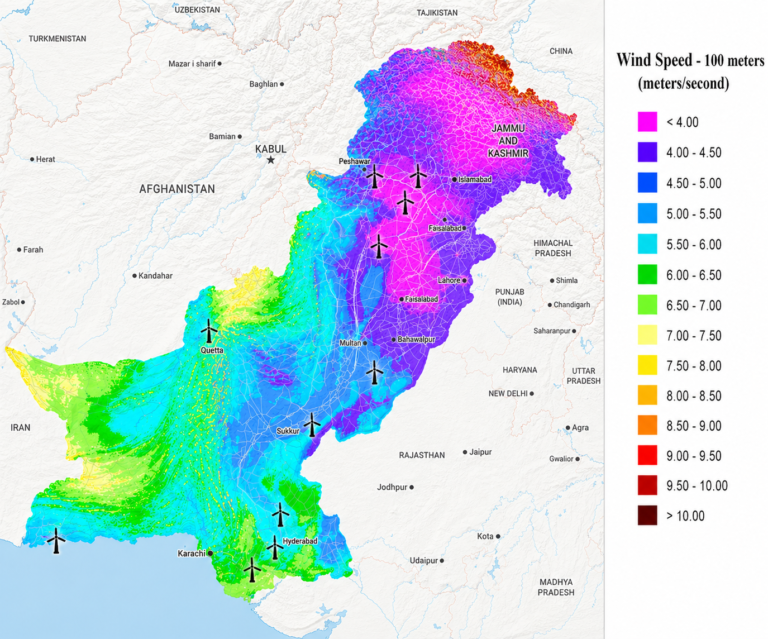
The idea behind hybrid energy is simple yet powerful. In the Sindh- Balochistan wind corridor, wind speeds usually rise in the evening and peak at night. During the day, Pakistan enjoys some of the strongest solar radiation in the region.
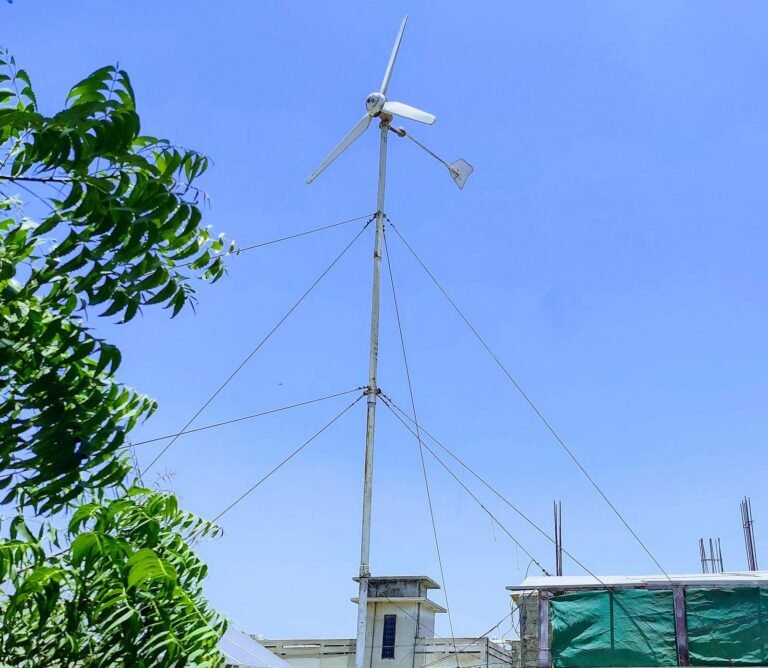
By installing Wind Turbine inside existing Solar Panals, developers are unlocking major benefits:
- Grid Optimization: Same transmission lines used for both energy sources.
- Consistent Power: Solar works during the day, wind powers the night.
- Lower Costs: Hybrid projects reduce electricity prices for home and industries.
2025 Milestone: Sindh allocated land for the first B2B hybrid project to provide cheaper power directly to businesses.
Leading the Charge: The B2B Revolution
The most exciting part of 2026 is not only the technology—it is the business model. hybrid parks are moving toward direct industrial supply.
“The 100MW hybrid project in Jhimpir is a template. By combining 65MW wind with 35MW solar, we are selling reliability—not just electricity.”
This allows export industries such as textiles in Nooriabad and Karachi to bypass expensive grid power and run on green energy.
Overcoming the Dust & Grid Bottleneck
Hybrid parks face real-world challenges in Pakistan’s environment:
- Dust Problem: Solar panels collect dust quickly in windy zones, reducing output.
- Solution: Robotic dry-cleaning systems are now being introduced.
- Grid Congestion: Transmission systems cannot always carry full output.
- Solution: Battery Energy Storage Systems (BESS) are becoming essential.
The Economic Horizon
With Pakistan targeting 60% renewable energy by 2030, hybrid systems are no longer experimental. They are now part of the national strategy.
By 2031, wind-solar hybrid projects are expected to become a major contributor to the projected 4.53 GW wind market.
Every hybrid megawatt installed reduces dependence on imported coal, furnace oil, and RLNG, saving valuable foreign exchange reserves.
Conclusion
The era of choosing between solar or wind is over. Pakistan is now unlocking the full power of its geography through hybrid energy. In the corridors of Sindh and Balochistan, the lights stay on— powered by the sun during the day and the relentless wind at night.
What Do You Think?
Would you like a deep dive into the combination Wind Turbine + Solar?