1 KW Wind Turbine Parts Explained – Complete Video Guide
If you’re planning to install a wind turbine for your home, farmhouse, agricultural land, or commercial project, it’s important to understand the main components of the system before making a purchase. 1 kW Wind Turbine Parts explained.
In this video, we show the essential parts of a small wind turbine and explain the purpose.
Watch the Wind Turbine Parts Video
What You’ll See in This Video
The video demonstrates the major components included in a complete small wind turbine system, including:
- Wind turbine blades
- Permanent Magnet Generator (PMG)
- Hub assembly
- Tail and tail boom
- Wind turbine controller
- Connecting cables and hardware
- Other installation components
Each part plays an important role in converting wind energy into electricity safely and efficiently.
https://www.windturbine.pk
Why Understanding Wind Turbine Parts Matters
Before buying a wind turbine, it’s important to know what is included in the system. Understanding each component helps you:
- Choose the right wind turbine for your location.
- Identify quality equipment.
- Understand the installation process.
- Perform basic maintenance when required.
- Compare different wind turbine models with confidence.
Applications of Small Wind Turbines
Small wind turbines are suitable for many off-grid and hybrid power applications, including:
- Homes
- Farm houses
- Agricultural land
- Dairy farms
- Poultry farms
- Security camera sites
- Remote telecom locations
- Small businesses
Need Help Choosing the Right Wind Turbine?
Selecting the correct turbine depends on your average wind speed, daily electricity consumption, battery bank, inverter, and tower height.
Our team can help you select the most suitable wind turbine system based on your location and energy requirements.
1 kW Wind Turbine Parts Explained (2026) – Complete Guide to Components, Working & Buying Tips
A 1 kW wind turbine is one of the most popular small wind energy systems for homes, farmhouses, agricultural land, dairy farms, poultry farms, security camera sites, and other off-grid applications. Before purchasing a wind turbine, it is important to understand how the system works and what each component does.
If you’re new to wind energy, this guide explains every major part of a 1 kW wind turbine, how all the components work together, common buying mistakes, and answers to frequently asked questions.
In the video above, you can see the major parts of a complete 1 kW wind turbine system before installation.
What Is a 1 kW Wind Turbine?
A 1 kW wind turbine is a small renewable energy system designed to convert wind into electricity. Under suitable wind conditions, it can generate power to charge batteries or supply electricity through an inverter for everyday appliances.
A 1 kW wind turbine is commonly used for:
- Residential homes
- Farm houses
- Agricultural land
- Dairy and poultry farms
- Remote security camera systems
- Telecom sites
- Small offices
- Off-grid cabins
The actual electricity generation depends on wind speed, tower height, and the quality of the wind turbine.
https://www.windturbine.pk
Main Parts of a 1 kW Wind Turbine
Understanding each component helps you choose the right system and maintain it properly.
1. Wind Turbine Blades
The blades capture the kinetic energy of the wind and convert it into rotational motion. As the wind blows, the blades spin the rotor connected to the generator.
High-quality blades are usually made from fiberglass or reinforced composite materials because they are lightweight, durable, and weather resistant.
The blade design directly affects the turbine’s efficiency and power output.
2. Permanent Magnet Generator (PMG)
The Permanent Magnet Generator (PMG) is the heart of the wind turbine.
As the blades rotate, they spin the generator, which converts mechanical energy into electrical energy.
Advantages of a PMG include:
- High efficiency
- Low maintenance
- No brushes to replace
- Better performance at low wind speeds
- Long service life
3. Hub Assembly
The hub connects the blades to the generator shaft.
It keeps the blades securely attached and transfers the rotational force evenly to the generator.
A strong hub is essential for safe operation, especially during high winds.
4. Tail and Tail Boom
The tail automatically keeps the wind turbine facing into the wind.
This allows the blades to capture maximum wind energy without manual adjustment.
A properly designed tail improves efficiency and helps protect the turbine during changing wind directions.
5. Wind Turbine Controller
The controller regulates the electricity produced by the wind turbine before it reaches the batteries.
Its main functions include:
- Battery charging control
- Overcharge protection
- Over-voltage protection
- Automatic braking during strong winds
- System monitoring
Without a quality controller, batteries can be damaged and system performance may decrease.
6. Tower
The tower supports the entire wind turbine above the ground.
Tower height is one of the most important factors affecting electricity generation because wind speed generally increases with height.
Installing a wind turbine on a taller tower often produces significantly more energy than installing it on a short pole.
7. Mounting Hardware
Every wind turbine includes mounting brackets, bolts, nuts, clamps, and other installation accessories.
These components secure the turbine safely to the tower.
Using high-quality hardware improves long-term reliability.
8. Electrical Cables
Electrical cables transfer power from the wind turbine to the controller, batteries, and inverter.
Correct cable sizing minimizes voltage drop and improves system efficiency.
9. Battery Bank
Although not part of the turbine itself, batteries store the electricity generated during windy periods.
Stored energy can then be used at night or when wind speeds are low.
Lithium batteries are becoming increasingly popular because they offer:
- Longer lifespan
- Faster charging
- Higher efficiency
- Lower maintenance
10. Inverter
If you want to operate normal household appliances, an inverter converts battery DC power into standard AC electricity.
The inverter supplies electricity for:
- Lights
- Fans
- TVs
- Computers
- Refrigerators
- Water pumps
- Other household equipment
How All the Parts Work Together
The complete process is simple:
- Wind turns the blades.
- The blades rotate the hub.
- The hub spins the Permanent Magnet Generator (PMG).
- The PMG generates electricity.
- Electricity flows to the wind controller.
- The controller safely charges the battery bank.
- The inverter converts battery power into AC electricity for household use.
Each component depends on the others, making proper system design essential for reliable performance.
Common Mistakes When Buying a Wind Turbine
Many buyers choose the wrong wind turbine because they overlook important factors.
Avoid these common mistakes:
Buying Based Only on Rated Power
A 1 kW rating does not mean the turbine produces 1 kW continuously. Actual output depends on wind speed.
Ignoring Local Wind Speed
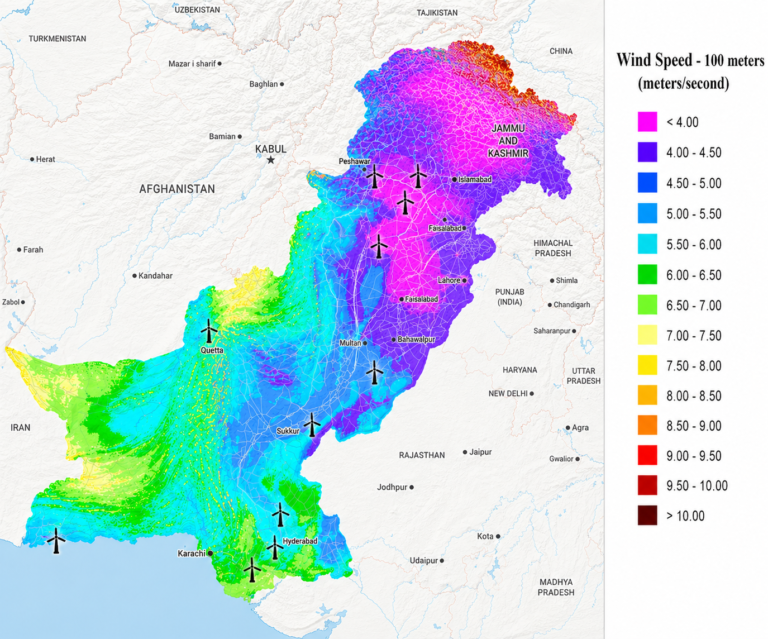
Always check the average annual wind speed before purchasing.
Installing on a Short Tower
Low tower height often results in poor electricity generation due to turbulence.
Buying Cheap Low-Quality Turbines
Very low-priced turbines may use poor-quality generators, blades, and controllers that reduce performance and lifespan.
Choosing the Wrong Battery Size
The battery bank should match your energy requirements and expected power generation.
Ignoring Controller Quality
A poor-quality controller can reduce charging efficiency and shorten battery life.
Expecting Wind Power to Replace the Entire Grid
A 1 kW wind turbine is ideal for reducing electricity costs and providing backup power, but system design should always match your actual energy consumption.
https://windturbine.pk/prices-of-wind-turbine-in-pakistan/
Frequently Asked Questions
Can a 1 kW wind turbine power an entire house?
It depends on your daily electricity usage and local wind conditions. A 1 kW wind turbine is generally suitable for light household loads or as part of a hybrid system.
What wind speed is best for a 1 kW wind turbine?
Higher average wind speeds produce more electricity. Locations with consistent wind generally provide better performance.
Does a 1 kW wind turbine need batteries?
If you want backup power or off-grid operation, batteries are recommended. Grid-tied systems may use different configurations.
Can I use a wind turbine with solar panels?
Yes. Many homeowners install hybrid systems that combine solar panels and wind turbines for improved year-round energy production.
How long does a 1 kW wind turbine last?
A high-quality wind turbine can operate for many years when properly installed and maintained.
Does the wind turbine produce electricity all the time?
No. Electricity generation depends on wind availability. Batteries help store energy for later use.
Is maintenance required?
Yes. Regular inspection of blades, bolts, electrical connections, and the controller helps ensure safe and efficient operation.
How do I choose the right wind turbine?
The correct system depends on your average wind speed, daily electricity consumption, tower height, battery bank, and installation location.
Conclusion
A 1 kW wind turbine is an excellent renewable energy solution for homes, farms, and remote locations when installed in an area with suitable wind conditions. Understanding each component—from the blades and Permanent Magnet Generator (PMG) to the controller, batteries, and inverter—helps you make an informed purchasing decision and achieve the best possible performance.
Before investing in any wind turbine, always evaluate your local wind conditions, energy requirements, and installation site to ensure the system meets your expectations.